- What Makes Caloundra Different on the Sunshine Coast
- Current Prices in the Caloundra Property Market
- How Competitive Is the Market Right Now?
- What Is Driving Prices Higher in Caloundra?
- Buy Timing: When Does It Make Sense to Move?
- The Off-Market Opportunity in Caloundra
- Is Caloundra the Right Suburb for Your Goals?
- Navigating Caloundra as a Buyer
- Frequently Asked Questions
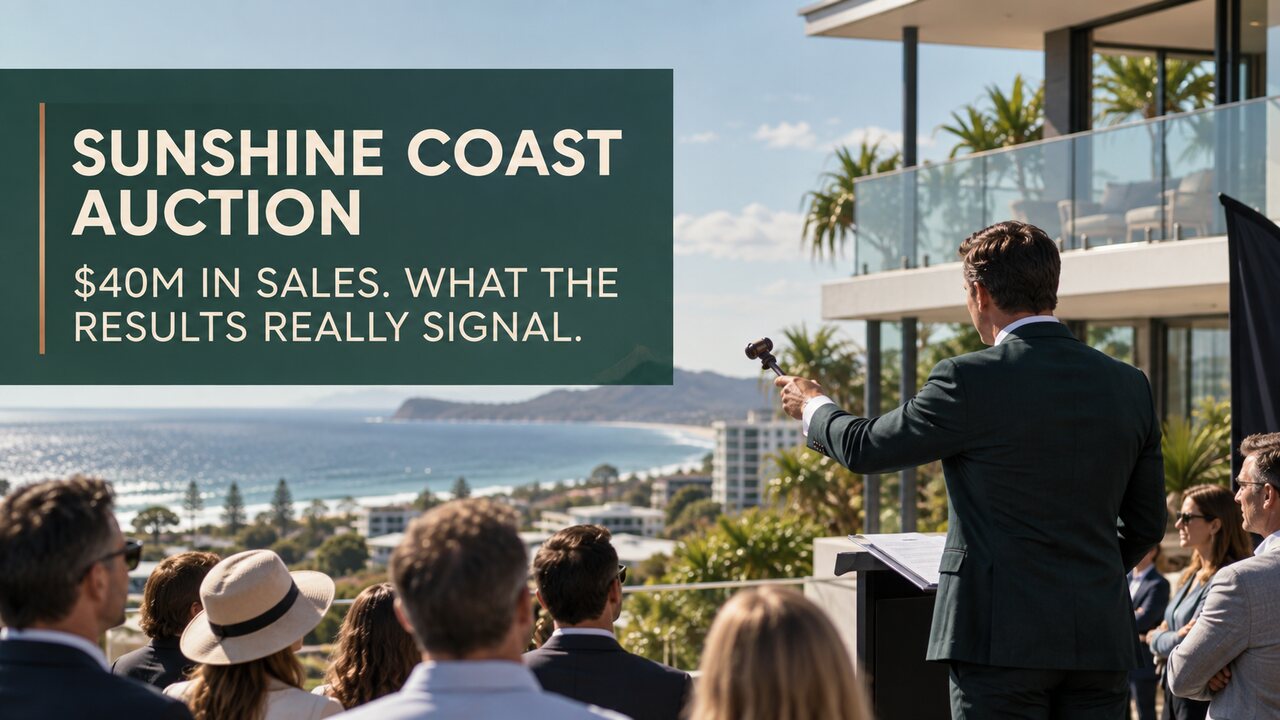
The Caloundra property market is one of the most closely watched pockets on the Sunshine Coast in 2026 — and for good reason. Prices have climbed sharply, competition is fierce, and buyers who hesitate are finding themselves priced out or outmanoeuvred. Whether you're buying a home, an investment property, or a coastal lifestyle retreat, understanding what's driving this market right now is the first step toward making a confident, well-timed decision.
What Makes Caloundra Different on the Sunshine Coast
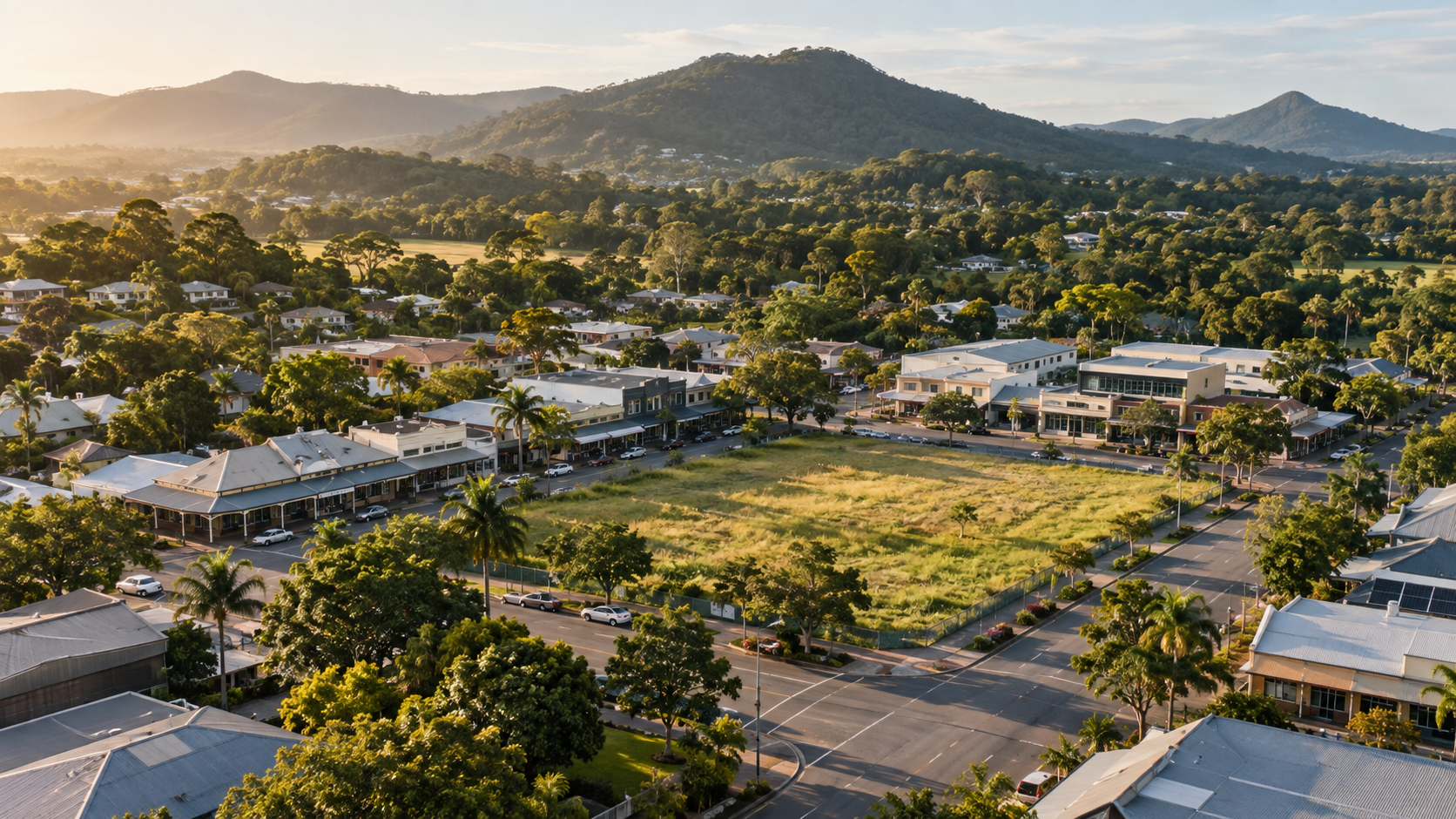
Caloundra sits at the southern gateway of the Sunshine Coast, roughly 90 kilometres north of Brisbane. It offers a mix of beachside suburbs, canal estates, and family-friendly streets that appeal to a wide range of buyers. Unlike the northern end of the coast, Caloundra has historically been more accessible in price — which has made it a target for both owner-occupiers and investors tracking the region's growth story.
That accessibility is narrowing. The suburb's demographic profile reflects a mature, settled community. According to andreamonti.com.au, seniors aged 65 and over represent 34.3% of the Caloundra population in 2026. That figure matters because it signals a steady base of long-term owner-occupiers who hold their properties for decades — keeping turnover low and supporting price floors over time.
Current Prices in the Caloundra Property Market
Heatmaps data for 2026 puts the median house price in Caloundra at $1,175,606 year to date. That's not a fringe result skewed by a handful of prestige sales. It reflects the broad market across the suburb.
Year-on-year, Heatmaps records house price growth of 8.85% in 2026 compared to the previous year. At a median already above the million-dollar mark, that rate of growth represents a meaningful shift in what buyers need to budget for. A property that sat at $1,050,000 twelve months ago is now worth closer to $1,143,000 on average.
For buyers working within a defined budget, this trajectory changes the maths on timing. Waiting six months to "see what happens" carries a real cost when prices are moving at this pace.
How Competitive Is the Market Right Now?
Two data points from spachus.com.au tell the clearest story about competition levels in Caloundra in 2026.
First, properties are taking a median of 44 days to sell. That's not a frantic inner-city pace, but it's fast enough that buyers who aren't ready to act decisively will miss properties they want. From the moment a home hits the market, you typically have around six weeks before it's gone.
Second, 80% of tracked property sales in Caloundra were completed at prices above the original asking amount. That figure is striking. It means the advertised price is, in most cases, a floor — not a ceiling. Buyers who anchor their offer to the listed price and wait to negotiate from there are almost always starting from the wrong position.
Together, these signals describe a market where sellers hold the advantage and buyers need both speed and pricing intelligence to compete effectively.
What Is Driving Prices Higher in Caloundra?
Several structural factors are pushing the Caloundra market upward in 2026, and most of them aren't short-term.
Infrastructure and the Brisbane Olympic pipeline. The 2032 Brisbane Olympics is accelerating transport and infrastructure investment across South East Queensland. Caloundra's position at the southern end of the Sunshine Coast places it squarely within the growth corridor connecting the region to Brisbane. Improved road and rail links don't just benefit commuters — they expand the pool of buyers who consider the area viable for permanent living, adding sustained demand pressure over time.
Interstate relocation demand. Buyers from Sydney and Melbourne continue to move to the Sunshine Coast in search of lifestyle, lower density, and relative value compared to their home markets. Even at $1.175 million, Caloundra offers a coastal home that would cost multiples of that price in comparable Sydney or Melbourne locations. This demand doesn't evaporate when interest rates shift slightly. It's driven by lifestyle decisions that take years to reverse.
Low turnover in an older demographic. With seniors making up a significant share of the population, many properties in Caloundra are held by long-term owners who simply aren't motivated to sell. When stock does come to market, it tends to attract strong competition from multiple buyers — which explains the consistent pattern of sales above asking price.
Off-market activity. Across the Sunshine Coast region, an estimated 30 to 40 percent of quality stock transacts off-market before it ever reaches public portals like Domain or realestate.com.au. Caloundra is no exception. Buyers relying solely on portal listings are working with an incomplete picture of what's actually available — and what prices are being achieved.
Buy Timing: When Does It Make Sense to Move?
The honest answer is that timing a property market precisely isn't possible, and waiting for the "perfect" moment usually costs more than it saves. But there are practical signals worth watching in Caloundra specifically.
Spring and early summer typically bring more listings to market as sellers prepare for the warmer months. More stock means marginally more choice, but it also means more competing buyers. If your priority is selection, spring is useful. If your priority is negotiating leverage, the quieter autumn and winter months often present better conditions — particularly for properties that have been sitting on the market longer than average.
Watch days on market at the suburb level. When the median starts climbing above 50 to 60 days, it signals a slight softening in buyer competition. That window is worth acting in. When it drops below 30 days, the market is running hot and you need to be ready to move quickly.
Pre-approval is not optional in this market. With 80% of sales completing above asking price, buyers who aren't financially ready to make a firm offer lose deals to buyers who are. Having finance confirmed before you start inspecting is the single most practical step you can take to improve your timing.
For investors, the timing question also involves rental demand and yield. Caloundra attracts both long-term renters and short-term holiday visitors, which creates options for how you hold the asset. The southern Sunshine Coast's proximity to Brisbane makes it a viable long-term rental market for professionals who want coastal living without a full lifestyle move. Understanding which strategy suits your property before you buy shapes which streets, property types, and price points you should be targeting. The Sunshine Coast investment property guide covers that decision framework in more detail.
The Off-Market Opportunity in Caloundra
If you're buying in the $900,000 to $1,500,000 range in Caloundra, the properties you see on the major portals represent only part of the market. Long-term owners, deceased estates, and sellers who prefer a quiet transaction without open homes will often sell through private channels before a property is formally listed.
Accessing that stock requires established relationships with local agents and a presence in the market before a property is publicly advertised. It's one of the core reasons buyers working with a Buyer's Agent consistently see options that portal-only buyers never encounter.
Elevate Buyers Agents operates an active off-market notification list across the Sunshine Coast and Noosa regions, giving buyers early access to properties before they reach public portals. If you're serious about Caloundra, being on that list is a practical step worth taking.
Is Caloundra the Right Suburb for Your Goals?
Caloundra suits buyers who want a genuine coastal lifestyle with strong long-term fundamentals — without paying Noosa or Mooloolaba premiums. It's a particularly strong fit for:
- Owner-occupiers relocating from Brisbane or interstate who want beach access, good schools, and a settled community
- Investors targeting long-term capital growth in a market with structural supply constraints
- Lifestyle and holiday home buyers who want southern Sunshine Coast access with easier Brisbane connections
If you're weighing Caloundra against other parts of the Sunshine Coast, the overview of top property locations on the Sunshine Coast and the case for buying on the Sunshine Coast in the current cycle are useful starting points for understanding how Caloundra fits into the broader regional picture.
Navigating Caloundra as a Buyer
A median price above $1.175 million, 80% of sales completing above asking price, and limited off-market visibility — Caloundra is a market where informed, well-prepared buyers consistently outperform those who go it alone.
A Buyer's Agent works exclusively for you, not the vendor. That distinction matters in a market where the selling agent's job is to achieve the highest possible price for their client. Having someone who understands local valuations, has access to off-market stock, and can negotiate on your behalf changes the dynamic materially.
Elevate Buyers Agents brings more than 25 years of valuation expertise to every property assessment in Caloundra and across the broader Sunshine Coast market. From initial strategy through to settlement, the process is managed on your behalf — including access to properties that never appear on public portals. To understand what that looks like in practice, read about navigating a competitive property market with a Buyer's Agent.
If you're ready to start your Caloundra property search, visit elevatebuyersagents.com.au to get started.
Frequently Asked Questions
What is the current median house price in Caloundra?
According to Heatmaps data for 2026, the median house price in Caloundra is $1,175,606 year to date. This figure reflects the broad market across the suburb — not just prestige or outlier sales.
How much have property prices grown in Caloundra recently?
Heatmaps records house price growth of 8.85% in 2026 compared to the previous year. At a median above $1.1 million, that rate of growth represents a significant dollar increase for buyers who delay their purchase.
How long does it take to sell a home in Caloundra?
Properties in Caloundra took a median of 44 days to sell over a 12-month period ending in late 2026, according to spachus.com.au. That gives buyers roughly six weeks from listing to act before a property is typically sold.
Do homes in Caloundra sell above asking price?
Yes. According to spachus.com.au, 80% of tracked property sales in Caloundra in 2026 were completed at prices above the original asking amount. Buyers should treat advertised prices as a starting point, not a ceiling.
Is Caloundra a good area for property investment?
Caloundra has structural characteristics that support long-term investment: low turnover driven by an older owner-occupier demographic, proximity to Brisbane via the Olympic infrastructure pipeline, and sustained interstate demand. Both long-term rental and holiday letting strategies are viable depending on the property and its location within the suburb.
What is the best time of year to buy in Caloundra?
There's no single "best" time, but autumn and winter months often present slightly better negotiating conditions as fewer competing buyers are active. Spring brings more listings but also more competition. The more important factor is being financially ready to act quickly when the right property appears — regardless of season.
How do off-market properties work in Caloundra?
Across the Sunshine Coast region, an estimated 30 to 40 percent of quality stock transacts off-market before reaching public portals. In Caloundra, long-term owners and sellers who prefer privacy often sell through private channels. Accessing these properties typically requires working with a Buyer's Agent who has established local relationships and an active off-market pipeline.