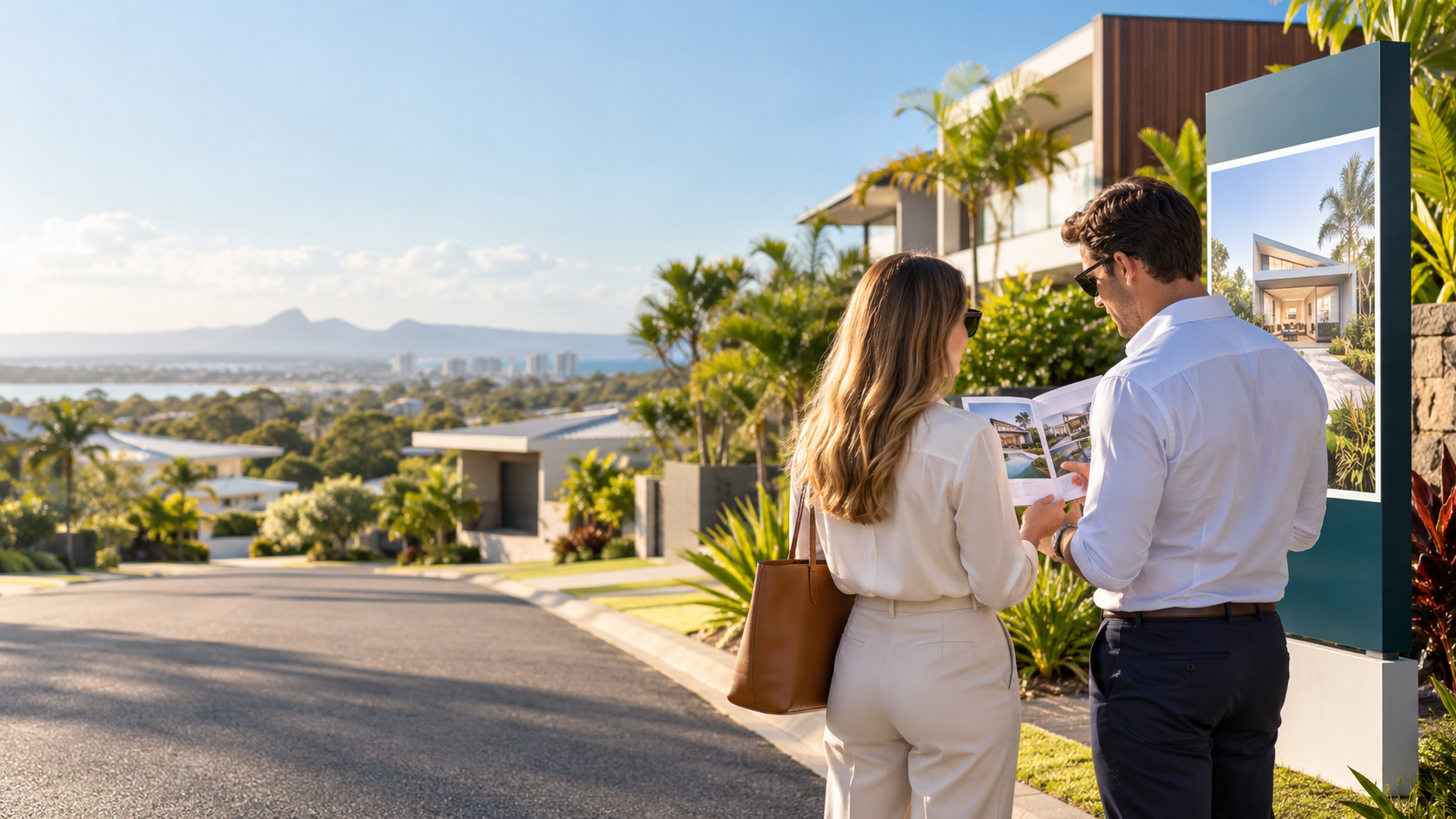
Buyers advocacy is the practice of hiring a licensed professional who represents only you, the buyer, throughout a property transaction. A buyer's advocate searches listings, accesses off-market properties, negotiates price, and bids at auction on your behalf. Unlike a listing agent, whose duty runs to the seller, a buyer's advocate's sole obligation is to protect your interests and help you avoid overpaying.
What Is Buyers Advocacy, and How Is It Different From a Listing Agent?
Buyers advocacy is a buyer-only service. The advocate works exclusively for the person purchasing the property, not the person selling it. That single distinction removes the conflict of interest sitting at the centre of most traditional real estate transactions.
In a standard sale, the listing agent is hired by the seller to achieve the highest possible price. When that same agent also assists a buyer, or when a buyer relies on the seller's agent for guidance, the interests on both sides of the table are in direct conflict. A buyer's advocate has no such divided loyalty.
The role goes by different names in different countries, but the service is the same: licensed, buyer-side representation throughout the purchase process.
This distinction matters because the buying process involves high-stakes decisions at every stage, from setting a price ceiling to reading contract terms. According to Zillow's 2026 research, 85% of homebuyers used a real estate agent for their transaction. What that figure doesn't show is how many of those buyers had someone working exclusively for them, rather than for the seller.
The buying strategy guide covers the full process, from due diligence through to settlement, in detail.
Key Benefits of Working With a Buyers Advocate
Hiring a buyer's advocate gives you more than a negotiator. You get a structured process, a professional network, and protection against some of the less visible risks in property transactions.
Here are the primary benefits:
-
Access to off-market properties. Many properties sell before they ever appear on public portals. A buyer's advocate with strong local connections can present you with opportunities that most buyers never see, reducing the competition you face.
-
Emotional distance from negotiations. Buying a home is personal. That emotional investment can lead to overbidding or overlooking problems. An advocate assesses properties on facts, not feelings, and negotiates from a position of market knowledge rather than attachment.
-
Time savings. Searching listings, attending inspections, researching comparable sales, and preparing for auctions takes significant hours. A WAV Group survey found that approximately 21% of homebuyers believe their agent spends between 11 and 15 hours on their transaction. A dedicated advocate often invests considerably more, covering tasks the buyer would otherwise handle alone.
-
Protection from steering. Steering occurs when an agent guides a buyer away from properties that carry a lower commission, toward those that pay more. A buyer's advocate is paid by you, not by the sale outcome on the seller's side, so their incentive aligns with finding the right property, not the most profitable one.
-
Independence from large brokerages. Some large real estate firms represent both buyers and sellers. A standalone buyers agency has no in-house listings to protect and no seller relationships that could compromise the advice you receive.
Trust is a real issue in this space. A 2026 survey found that only one in eight Gen Z and Millennial buyers trusted that housing professionals would act in their best interest. A buyer's advocate, engaged directly by you and paid by you, is structurally positioned to close that gap.
How Does a Buyers Advocate Get Paid?
Fee structures for buyer's advocates vary. Understanding them before you sign anything protects you from surprises later.
In Australia, advocates typically charge either a flat fee or a percentage of the purchase price. A flat fee covers a defined scope of work regardless of what the property sells for. A percentage model ties the fee to the final price, which means you should confirm whether the advocate's incentive aligns with finding you good value or simply closing quickly. In Australia, a full property search service typically costs between $10,000 and $30,000 ($10,000 to $30,000), as noted by the Australian National Buyers Agents. The range reflects differences in service scope, market complexity, and property price points.
In the United States, the 2024 NAR settlement changed how buyer-agent compensation is disclosed and negotiated. Before the settlement, sellers routinely covered the buyer's agent commission as part of the transaction. That arrangement is no longer guaranteed. Buyers and their agents must now agree on compensation in writing before touring homes, and sellers are not obligated to contribute. Historically, buyer-agent commissions in U.S. markets ran at 2 to 3% of the sale price, but how that cost is allocated has shifted.
Before engaging any advocate, ask three direct questions: How are you paid? Does your fee change based on the purchase price? Do you receive any referral fees or commissions from third parties? Clear answers to all three protect you from hidden conflicts before they affect the outcome.
How to Buy a Home With a Buyers Advocate: Step by Step
Working with a buyer's advocate follows a clear sequence. Each stage builds on the last, so knowing what to expect helps you stay in control rather than react to events as they unfold.
Here is the full process, in order:
-
Identify your financial limits and lifestyle requirements. Before you speak to anyone, get clear on your borrowing capacity, your deposit, and your non-negotiables. Think about school zones, commute times, block size, and whether you need a home you can move into immediately or one you can renovate. This groundwork shapes every decision that follows.
-
Engage a local buyer's advocate with deep market knowledge. Choose someone who works specifically in your target area and has established relationships with local selling agents. An advocate who knows Buderim differently from Mooloolaba, or who understands the pace of the Peregian Springs market, brings insight that a generalist cannot. For a detailed look at How Our Buyers Agent Process Works, that page walks through what a structured engagement looks like from first contact to settlement.
-
Finalize a personalized purchase strategy. In your initial meetings, your advocate will help you translate your requirements into a written brief: price ceiling, preferred suburbs, property type, and any deal-breakers. This strategy document keeps the search focused and gives you a reference point when emotions run high later in the process.
-
Let the advocate run a comprehensive market search. Your advocate searches public listings and draws on their professional network to identify properties that match your brief. This includes properties listed on major portals and those circulating quietly among agents before any public campaign begins.
-
Review off-market opportunities. Some of the strongest buying opportunities never appear on public portals. Your advocate presents these directly, often before competing buyers are aware the property is available. Less competition typically means more room to negotiate on price or conditions.
-
Attend inspections with your advocate. Walk through properties with your advocate present. They assess structural condition, flag potential zoning or heritage restrictions, and give you an honest read on whether the property matches its marketing. Their job is to tell you what you need to hear, not what you want to hear.
-
Authorize your advocate to negotiate or bid at auction. Once you identify the right property, your advocate takes over the negotiation. They use comparable sales data to establish a fair price ceiling, submit offers on your behalf, and represent you at auction if the property is going under the hammer. This is where the professional distance from step two pays off most directly. An experienced advocate knows when to push and when to hold, without the emotional pressure that affects most buyers bidding on their own.
If you want to understand how the broader buying strategy fits around these steps, the 5 Key Advantages of Using a Buyer's Agent in a Seller's Market covers what that professional edge looks like in a competitive environment.
What Should You Look for in a Sunshine Coast Buyers Agent?
A Sunshine Coast buyers agent should bring more than a real estate licence to the table. The Sunshine Coast and Noosa markets move quickly, and the difference between the right advocate and the wrong one often comes down to local depth, not general credentials.
Use this checklist when you evaluate candidates:
-
Verified licensing. In Queensland, buyer's advocates must hold a current real estate agent license. Ask to see it, and check it against the Office of Fair Trading register. A license is the floor, not the ceiling, but it is non-negotiable.
-
Demonstrated local market knowledge. Ask the advocate to walk you through recent sales in Coolum Beach, Maroochydore, or whichever suburb you are targeting. They should know price-per-square-meter trends, which streets attract premium buyers, and how long properties are sitting before selling. Vague answers suggest surface-level familiarity.
-
An established off-market network. The Sunshine Coast has an active off-market segment. An advocate with genuine selling-agent relationships will hear about properties before they are listed. Ask directly: how many off-market properties did you present to clients in the past six months?
-
Independence from selling agencies. If the advocate works inside a firm that also lists properties for sale, there is a structural conflict of interest. A standalone buyers agency has no in-house listings to steer you toward.
-
Transparent fee structure. As covered in the previous section, fees in Australia vary. Ask for the full cost in writing before you sign anything, and confirm whether the fee changes if the purchase price changes.
-
References from recent buyers. A credible advocate will connect you with past clients. Speak to at least two, and ask specifically about the negotiation stage and whether the advocate's advice ever conflicted with what the buyer wanted to hear.
Whatever terminology you encounter, the checklist above applies equally.
Do You Really Need a Buyers Advocate?
Not every buyer needs one, but most benefit from one. The honest answer depends on your experience, your target market, and how much time and risk you are prepared to absorb yourself.
The table below maps common scenarios to a straightforward recommendation:
| Scenario | Go it alone? | Buyers advocate recommended? |
|---|---|---|
| First-time buyer unfamiliar with contracts | No | Yes |
| Buying in a competitive or unfamiliar market | Risky | Yes |
| Experienced investor with strong local network | Possible | Situational |
| Relocating from interstate or overseas | No | Yes |
| Buying at auction for the first time | Risky | Yes |
| Purchasing in a slow market with few competing offers | Possible | Situational |
The pattern is clear. If you lack local knowledge, are buying under time pressure, or face auction conditions, an advocate reduces the risk of a costly mistake. Zillow's 2026 research found that 85% of buyers used a real estate agent for their transaction, and a 2026 survey found only one in eight younger buyers trusted that housing professionals would act in their best interest. Those two figures together suggest most buyers seek help but are not always confident the help is genuinely on their side. A buyer's advocate, paid by you and working only for you, addresses that directly.
If you are buying in a market you know well, at a price point you have researched thoroughly, and you are comfortable reading contracts and attending auctions, you may be able to manage the process yourself. For most buyers, particularly those entering the Sunshine Coast market from outside the region, the cost of an advocate is modest relative to the cost of overpaying or missing the right property entirely.
When a Dedicated Buyers Agency Is the Right Call
Sometimes the decision comes down to who is in your corner. Elevate Buyers Agents is a licensed buyers agency operating across the Sunshine Coast and Noosa regions of Australia. The agency handles the full purchase process, from initial strategy and property search through to inspection, valuation, negotiation, and closing. Clients also gain access to off-market properties not publicly listed on standard portals.
Prices and plan limits verified as of October 2026.
FAQs
What is market advocacy in real estate?
Market advocacy means a buyer's advocate actively monitors the market on your behalf, tracking new listings, off-market opportunities, and price movements in your target area. Rather than waiting for you to find properties, the advocate runs a continuous search aligned to your brief. In a fast-moving market like the Sunshine Coast, that proactive approach can make all the difference between securing the right property and missing it entirely.
What not to say to a real estate agent when buying?
Avoid telling a selling agent your maximum budget, how urgently you need to buy, or that you love a property. A selling agent works for the vendor and will use any of those details to strengthen the seller's negotiating position. Keep your timeline and price ceiling private. If you have a buyer's advocate, let them handle all communication with the selling agent so your position stays protected throughout.
Who is the best person to talk to about property investment?
For property selection and negotiation, a buyer's advocate is the most directly relevant professional. They assess markets, identify properties that match your criteria, and negotiate price on your behalf. For financing, a mortgage broker helps you structure your borrowing. For tax implications, a qualified accountant or financial adviser is the right contact. For a purchase on the Sunshine Coast or in Noosa, a local buyers agent with an active off-market network adds the most practical value.
What is considered a buyer’s market in real estate?
A buyer's market occurs when the number of properties available for sale exceeds the number of active buyers. In that environment, sellers compete for fewer offers, prices soften, and buyers have more room to negotiate on price and conditions. Days on market increase, and properties may sit unsold for weeks or months. Even so, a buyer's advocate helps you identify which properties represent genuine value and which are sitting for a reason.
Is a buyer’s advocate worth the cost for a first-time buyer?
For most first-time buyers, yes. A full property search service in Australia typically costs between $10,000 and $30,000 ($10,000 to $30,000), but overpaying, missing contract red flags, or losing at auction without professional representation can cost significantly more. First-time buyers are most exposed at the negotiation and auction stages, where experience matters most. An advocate's fee is a known cost. The cost of getting those stages wrong is not.
Conclusion
Buyers advocacy gives you a licensed professional whose only job is to protect your interests throughout a property purchase. They search listings, access off-market properties, negotiate price, and represent you at auction, with no obligation to the seller and no divided loyalty.
If you are buying on the Sunshine Coast or in Noosa, start by confirming any advocate's Queensland licence, asking for evidence of recent local sales knowledge, and getting their full fee structure in writing before you commit. Those three steps tell you quickly whether the person across the table is genuinely working for you.